June 16, 2026
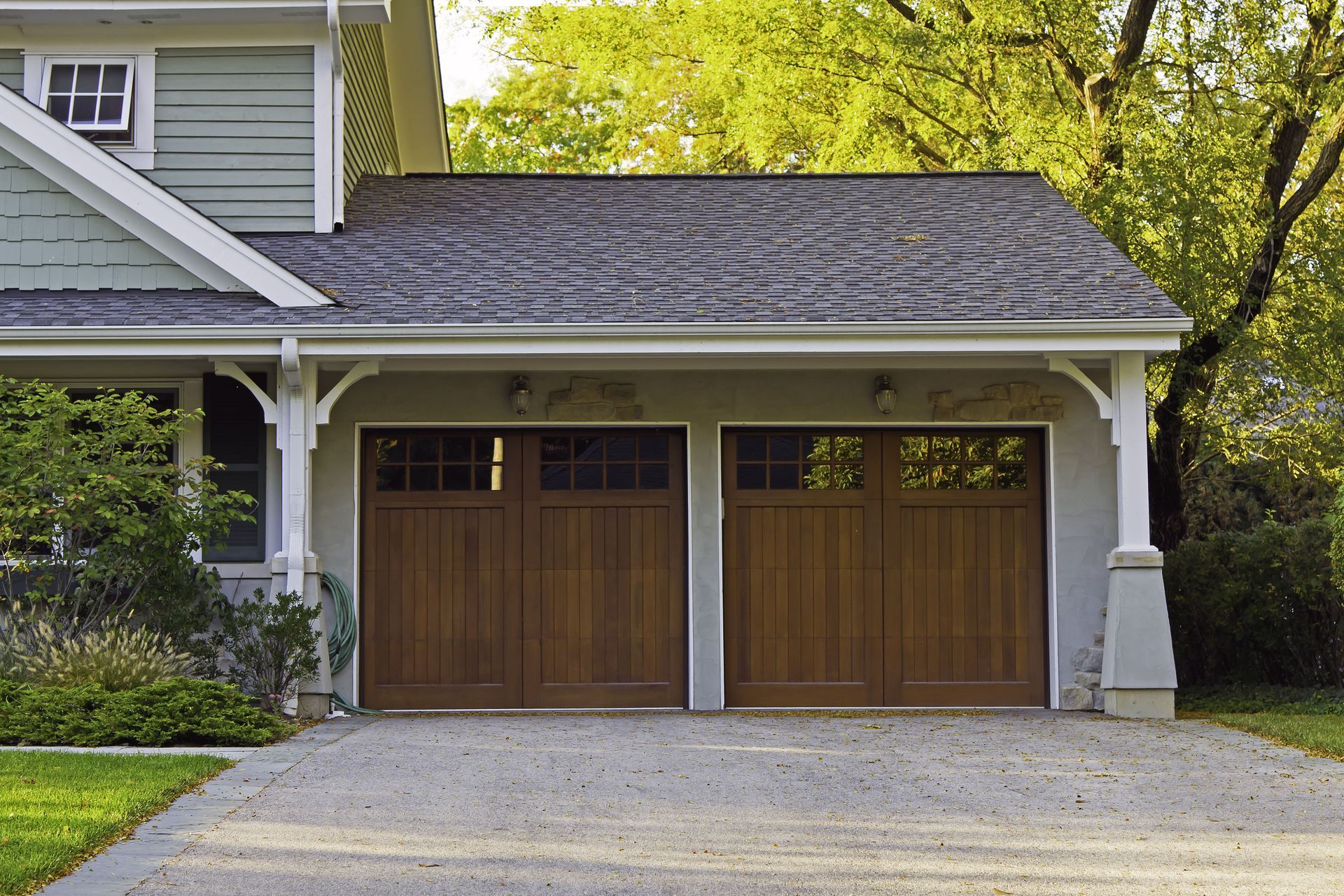
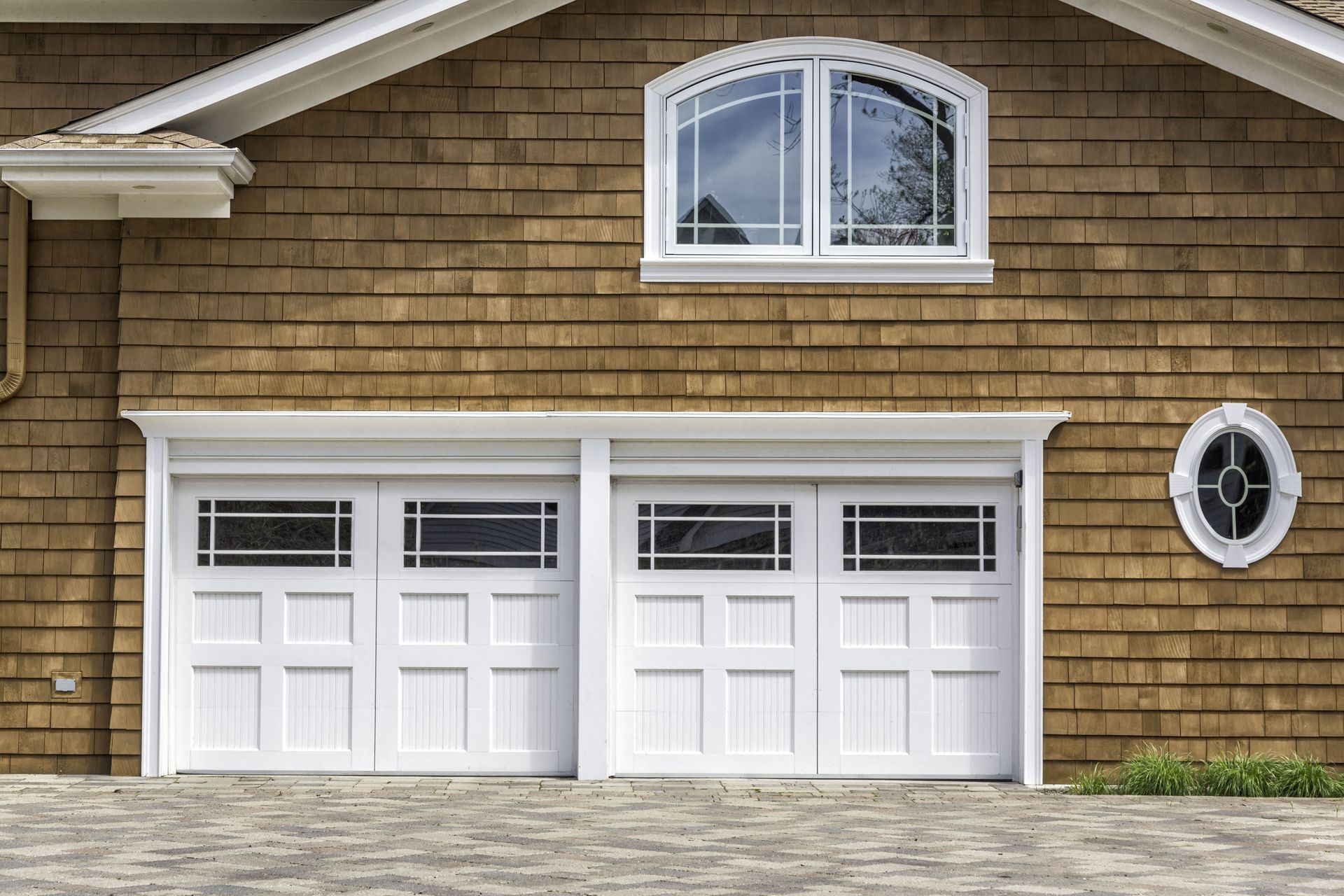
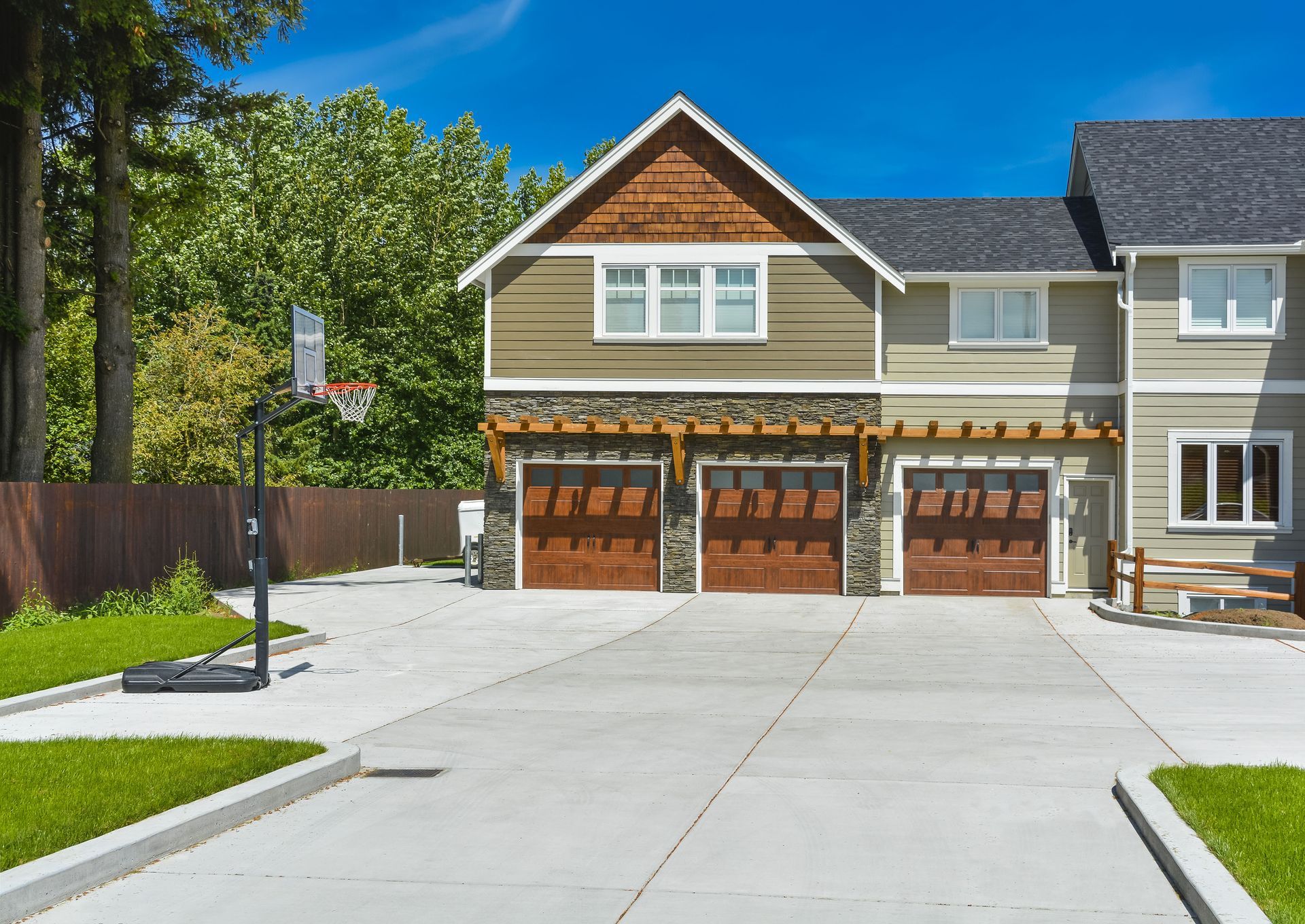
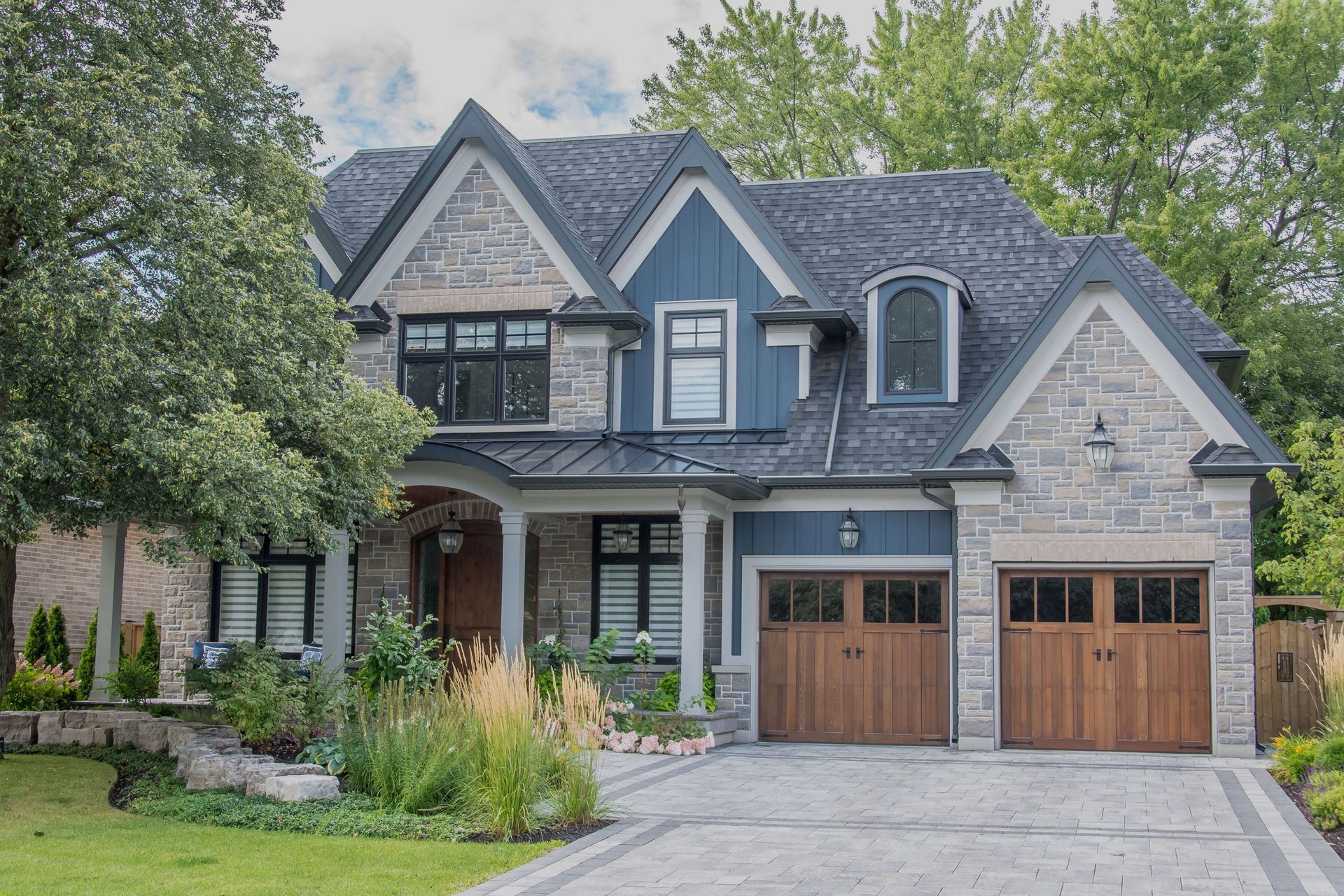
Upgrading your home exterior is an exciting venture, especially when you focus on one of its largest visual components. Choosing a custom garage door can completely change how your property looks from the street while providing functional benefits that last for decades. Wood is a classic material choice that offers unmatched natural beauty, warmth, and individuality. However, homeowners often have several inquiries before investing in these premium exterior features. Understanding the unique characteristics, care requirements, and structural advantages of wood allows you to make an informed choice for your property. By examining the details of craftsmanship and material performance, you can select an option that elevates your home architecture beautifully.
When selecting architectural elements, balance is key between aesthetics and longevity. Natural lumber brings a distinct personality that synthetic materials simply cannot replicate. Every grain pattern, knot, and color variation tells a story, ensuring that your installation is unique. Homeowners frequently wonder about the engineering behind these structures and how they hold up against seasonal shifts. Modern manufacturing techniques have significantly improved how natural wood products perform over time, making them more stable and reliable than ever before. Addressing your initial concerns about insulation, durability, and customization potential ensures that you get a product that fits your daily lifestyle and geographic climate perfectly.
1. What Types of Wood Are Best for a Custom Garage Door?
The type of lumber selected for construction plays a massive role in both the appearance and the longevity of the final product. Different species possess varying levels of natural resistance to moisture, insects, and decay. Cedar is a highly popular option due to its natural oils that repel bugs and prevent rotting. It is also a lightweight wood that puts less strain on the opening mechanisms and springs over years of daily operation. Mahogany is another premium selection preferred for its rich, reddish-brown color, straight grain pattern, and incredible structural density, which helps prevent warping or denting from accidental impacts. Redwood is another premium option that showcases stunning color variations and exceptional weather resistance, making it ideal for regions with intense seasonal changes. Discussing your aesthetic preferences and local climate with a professional installer helps narrow down which specific lumber species will deliver the best performance and visual appeal for your exterior renovation.
2. How Much Maintenance Does a Custom Garage Door Require?
It is no secret that natural materials require more attention than steel or fiberglass alternatives, but the visual payoff is well worth the effort. A custom garage door needs periodic inspection and refinishing to shield the underlying material from moisture damage and sun exposure. Ultraviolet rays can break down the protective topcoat over time, leading to fading or surface drying. To keep the exterior pristine, you should plan to reapply a high-quality exterior stain or paint every few years, depending on how much direct sunlight and intense weather the front of your home receives.
Routine upkeep also involves simple cleaning to remove dirt, dust, and organic debris that can trap moisture against the surface. Wiping down the exterior face with a gentle soap and water solution prevents mold growth and preserves the finish. Additionally, checking the perimeter seals and weatherstripping ensures that water cannot seep into the joints or the bottom section where the structure meets the ground. Spending a small amount of time on preventative maintenance every season protects your financial investment and keeps the lumber looking as rich and vibrant as the day it was first installed on your home.
3. Can a Custom Garage Door Be Fully Insulated?
Energy efficiency is a major priority for modern homeowners, particularly those with attached garages or living spaces located directly above the service bays. Many people assume that selecting a natural wood option means sacrificing insulation capabilities, but this is a misconception. High-quality manufacturing involves a layered construction process where a rigid insulation core, such as polystyrene or polyurethane, is sandwiched between the interior backing and the exterior solid wood face. This design yields an impressive R-value, which measures the material's resistance to heat flow. An insulated entry point helps regulate the interior temperature of the workspace or storage area, keeping it warmer in the winter and cooler in the summer. This thermal barrier reduces the energy load on your home heating and cooling systems, preventing conditioned air from escaping through the facade. Furthermore, the multi-layer design offers excellent acoustic dampening properties, blocking out street noise and creating a quieter indoor environment. Choosing an insulated model ensures you get the breathtaking traditional look you desire without compromising on modern thermal efficiency or comfort goals.
4. How Long Do These Specialized Wood Systems Last?
The lifespan of your installation depends heavily on the quality of the initial craftsmanship, the species of lumber used, and your commitment to regular maintenance. When built by skilled artisans and cared for properly over the years, a premium wood system can easily last for several decades. Because natural lumber is incredibly resilient, individual sections or trim pieces can often be repaired or replaced if they sustain localized damage, unlike steel panels, which usually require a complete replacement of the entire section when dented. The operational hardware, including the tracks, heavy-duty springs, and rollers, also influences the overall longevity of the system. Pairing a premium exterior facade with commercial-grade structural hardware ensures smooth operation and minimizes structural wear and tear over time. Regular lubrication of moving parts prevents friction and keeps the heavy panels moving smoothly along the track. By protecting the material from prolonged moisture contact and maintaining the mechanical components, you ensure that your premium entrance remains fully operational and beautiful for generations to come.
5. What Are the Financial Benefits of This Property Upgrade?
Investing in high-end exterior features does more than just improve your daily enjoyment of your property; it also significantly boosts your overall market value. Curb appeal is a dominant factor in real estate valuations, and the garage often makes up a substantial percentage of the front facade of a home. Replacing a generic, worn-out entrance with a striking architectural statement immediately catches the eye of prospective buyers and sets a positive tone for the rest of the property tour. According to This Old House, garage door replacement is a top home improvement project for ROI, recouping over 193% of the cost in increased home value. This remarkable return on investment makes upgrading your exterior one of the smartest financial decisions you can make as a property owner. Beyond the immediate equity boost, you also benefit from improved operation, enhanced home security, and superior energy efficiency during your time living in the house. When it comes time to sell, a custom garage door helps your listing stand out in a competitive market, often leading to faster offers and a higher final selling price because buyers recognize the quality and premium craftsmanship of natural wood.
Navigating the options for your home renovation project becomes much simpler when you partner with experienced professionals who understand material selection and installation precision. We bring over 30 years of experience to every single installation, ensuring your project is handled with the utmost care and attention to detail. Our team is fully licensed and insured, giving you complete peace of mind throughout the design and setup process. If you are ready to elevate your home exterior with a premium
custom garage door, contact Kerry’s Kustoms today to discuss your vision, explore design options, and learn more about how we can transform your property.